Eatonville Truth and Justice Initiative
History • Accountability • Restoration
Help raise $10,000 for the first phase of the Eatonville Truth and Justice Initiative.
The Eatonville Truth and Justice Initiative brings together historical records, community experiences and families’ needs to pursue accountability and develop practical proposals for restoration. Hungerford and its purpose of educating Black children are central to this work.
We’re starting with the records and the people. This first $10,000 will help us obtain and organize historical documents, collect community accounts, hear from families about their educational needs and publish an initial findings report.
The Ville CDC leads the nonprofit research and community work. 1887 First provides media, storytelling and the public website.
Phase 1 goal: $10,000
Where Phase 1 stands
$33.87
raised of $10,000 goal
<1% funded · Total updated September 2026
Your donation helps pay for records access, research time, interviews, community outreach, document preservation and the preparation of our first public report. We will share progress and report how Phase 1 funds are used.
Donations are processed by Zeffy. Donating, volunteering and sharing your story are separate ways to help. No donation is required to participate.
Why this work matters
Our memories and the public record belong together.
Families carry memories of schools, businesses, neighborhoods and opportunities that public records alone cannot explain. Deeds, budgets, court orders and meeting minutes help establish what institutions decided and how those decisions were carried out.
This initiative brings those sources together. We want residents to have an accessible record of what happened and a meaningful role in deciding what restoration should look like.
We will distinguish documented facts, personal accounts, research findings and questions that remain unanswered.
What the full initiative will examine
Trace the land
Map documented land transfers, acquisitions and changes in use, beginning with priority properties such as Hungerford. Identify ownership, public decisions and gaps in the available records.
Follow the money
Examine public investment, land proceeds and documented financial commitments. Compare Eatonville with appropriate neighboring communities while accounting for differences in population, services and available data.
Examine education
Trace Hungerford’s educational purpose and the decisions affecting its schools, land and resources. Gather alumni experiences and examine available information about educational access and outcomes.
Investigate health and infrastructure
Identify questions about drainage, transportation, environmental conditions and public health that require qualified research. Explain what existing evidence can establish and where further testing or study is needed.
Understand the economy
Examine local businesses, employment, property ownership and opportunities to build wealth. Assess community programs, including the 1887 Night Market, using documented data and clear methods.
Develop proposals for restoration
Use the findings and community priorities to develop specific proposals for educational investment, institutional support, infrastructure improvements and economic opportunity.
Hungerford and educational restoration
What should Hungerford’s educational purpose make possible today?
Hungerford’s history is rooted in the education of Black children. Our work examines how that purpose was expressed in the founding records, court decisions and later agreements, and what happened to the resources committed to it.
We also want to hear from families raising children today. What educational opportunities do they want? What costs and barriers stand in the way? What would help their children learn, develop a skill and prepare for adulthood?
Families will help shape proposals for:
- Scholarships for college, trade school and other educational programs.
- Tutoring, mentoring and support for different learning needs.
- Resources that help children succeed in public and private education.
- Paid apprenticeships and practical career training.
- Education and training opportunities for Black adults.
- Community institutions and a lasting education fund with meaningful community oversight.
These are proposals to develop and pursue, not benefits currently available through the initiative.
Tell Us What Your Family NeedsWhat Phase 1 will produce
- 1
An organized records index
An index of the records collected, identifying their sources and what is still missing.
- 2
A preliminary Hungerford timeline
Connecting land transactions, school decisions and educational commitments. Hungerford is the first research priority within the broader Eatonville work.
- 3
Community accounts
An initial collection of alumni and family accounts, with permission governing how each contribution may be used.
- 4
A family educational needs summary
A summary of participating families’ educational needs and barriers. These responses describe participants’ experiences and are not a representative survey of every Eatonville household.
- 5
An initial public findings report
Explaining what the evidence establishes, what remains unresolved and what requires specialist review.
- 6
A plan for the next phase
A scoped plan and proposed budget for the next research phase.
Comprehensive land, financial, economic, environmental and health analyses are later work that will require additional funding and qualified researchers. The $10,000 Phase 1 goal does not fund the entire initiative, litigation, scholarships or new educational institutions — those remain longer-term objectives informed by the research.
Phases
How the initiative moves forward
Phase 1
Records and community participation
Gather and organize deeds, court records, budgets, meeting minutes, school records and community accounts. Begin family outreach and identify missing evidence.
Outputs: A source index, preliminary timeline, consent process and research gap list.
Phase 2
Research and analysis
Engage qualified researchers as funding allows. Analyze available land, financial, educational, economic and infrastructure information. Prepare the family needs report and materials for legal review.
Outputs: Research findings with methods and limitations, a family needs report and a legal review packet.
Phase 3
Public findings and restoration proposals
Publish findings, hold a community discussion and document residents’ responses. Develop costed proposals and identify partners who could help carry them out.
Outputs: A public report, consented archive materials, restoration action plan and funding proposals.
Outcomes
What we want to change
The initiative should give residents usable information and momentum behind specific proposals. We will measure its immediate results by whether:
- Historical records are organized and accessible.
- Important questions receive documented answers or are clearly identified as unresolved.
- Families’ educational needs shape the restoration proposals.
- Attorneys and researchers have organized evidence to evaluate.
- Proposals have estimated costs, potential partners and practical next steps.
Longer term, we want this work to help secure educational funding, stronger community institutions, better infrastructure and greater economic opportunity. We will report separately on what is proposed, what receives funding and what is actually delivered.
Participation
Help build the record and shape what comes next.
For alumni and former staff
Share your experience of Hungerford or Wymore, including photographs, documents and memories you want preserved.
For parents, caregivers and adult learners
Tell us what educational opportunities you need and what prevents you from accessing them.
For residents and business owners
Share your experiences of changes in land use, infrastructure, local business and community life.
For researchers and partners
Help with archival work, analysis, interviews, professional review or funding.
Progress and accountability
Follow the work you are supporting.
We will publish updates on records obtained, research completed, outstanding questions and the use of Phase 1 funds. We will explain how community input changes the work and which proposals are moving forward.
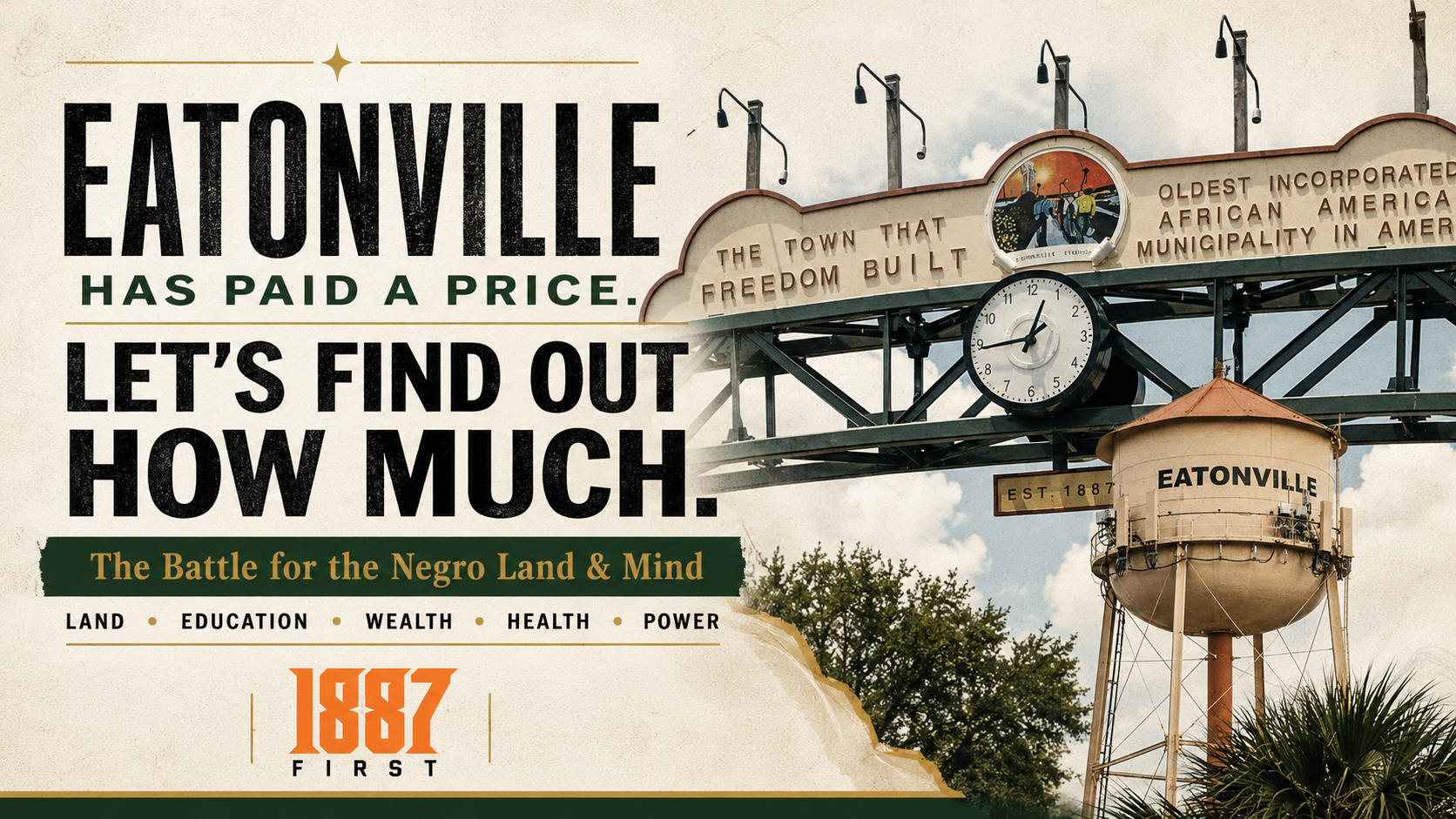
Read the op-ed
Eatonville Has Paid a Price
The case for this work, in our founder's words.
Read the columnHelp fund Phase 1.
There are records to retrieve, families to hear from and questions that deserve careful research. Your contribution helps us do that work and make the results available to the community.